
Blog
OrganicHub’s blog — organic certification, standards, and product selection in Russia, explained simply. We break down the requirements of Federal Law 280-FZ and GOST R 33980-2016, and explain how organic products differ from “eco” and “bio” labeling. Looking for a specific manufacturer? Check out the Manufacturers section — 259 certified farms from the official register of the Russian Ministry of Agriculture.
-
How Russia Verifies the Organic Status of Products
In Russia, the production of organic products is regulated by Federal Law No. 280-FZ “On Organic Products…,” which took effect on January 1, 2020. The law introduces a unified definition…
-
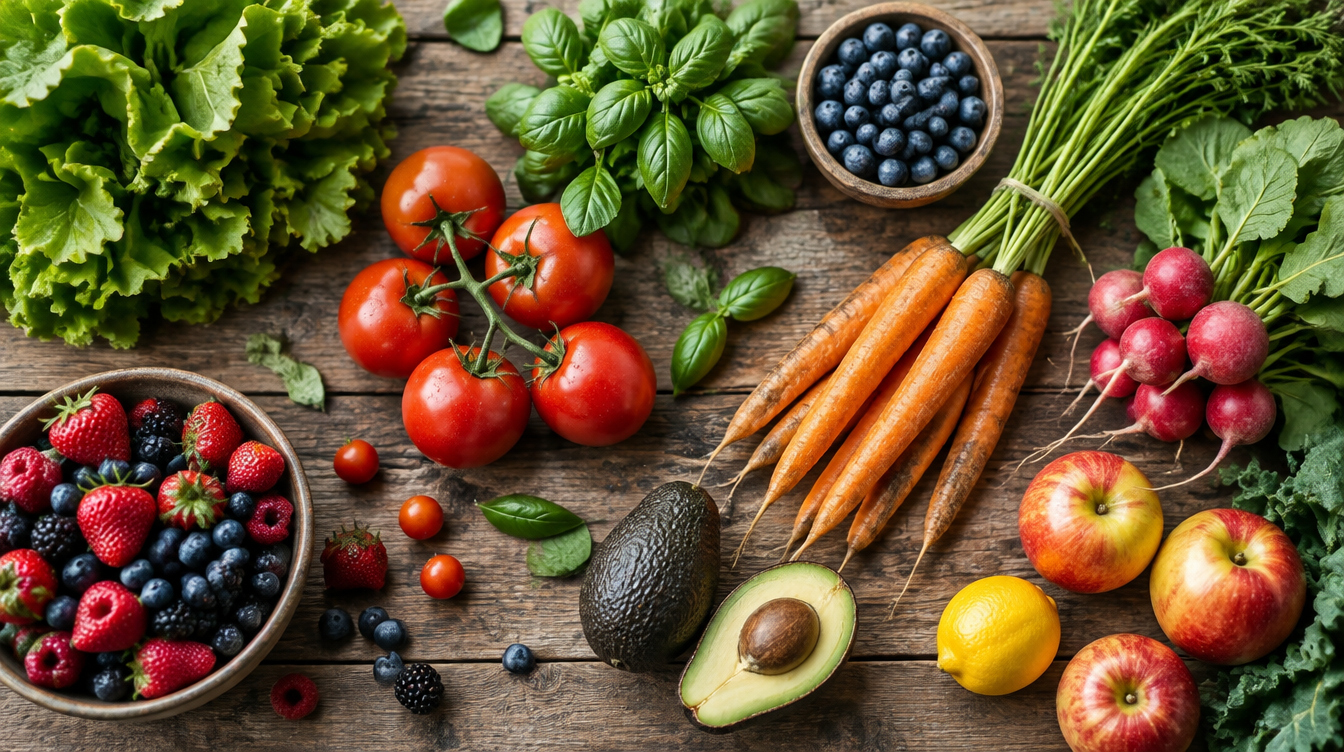
"Eco," "bio," "organic": What's the difference, and how to make the right choice
Let's figure out which of the terms "eco," "bio," and "organic" are actually backed by certification and the law, and which are just clever marketing.
-
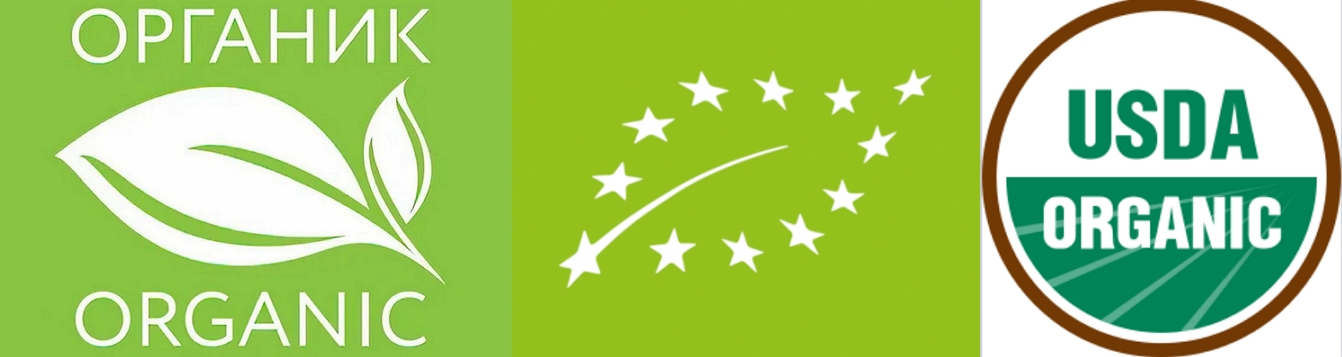
Organic Product Labels Around the World—and How They Differ
USDA Organic, the European “Euro-leaf,” the Russian government label, and labels from other countries: what each label on the packaging means and why you can trust them.
-
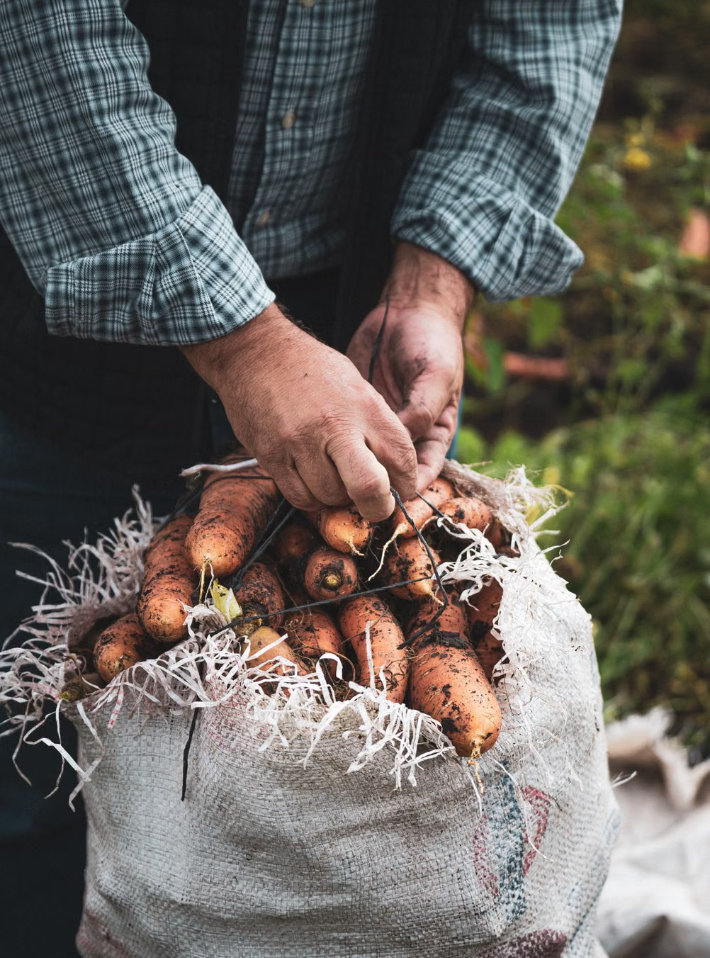
Why Are Organic Products More Expensive Than Conventional Ones?
Let's break it down by the facts: price studies in the U.S., the U.K., and France; data from the Russian Ministry of Agriculture's registry; and six real reasons for the…
-
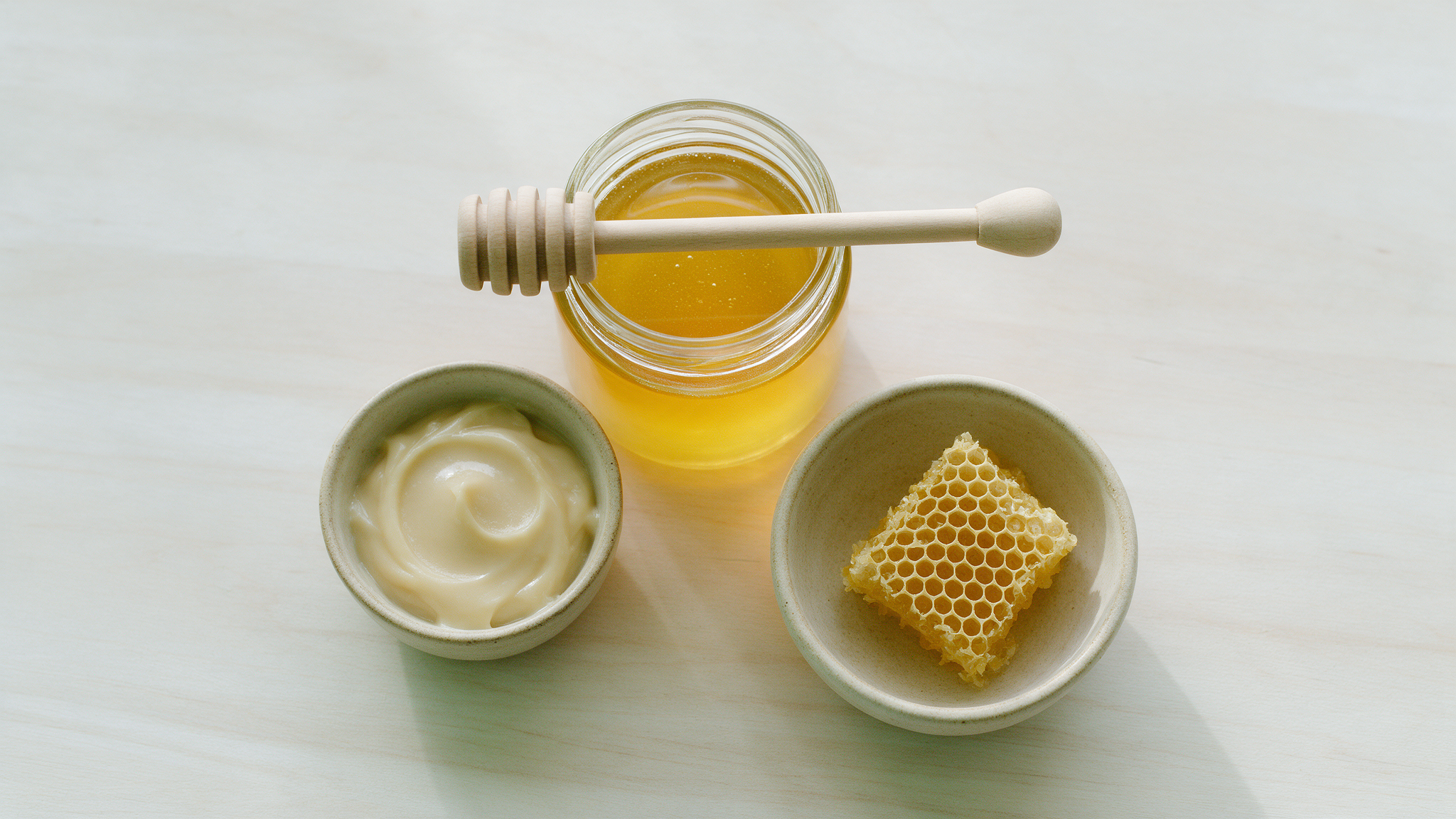
How to Choose Genuine Organic Honey: 7 Signs and Why Home Tests Aren't Enough
Honey is one of the most commonly counterfeited products. 7 signs of authenticity, home tests to spot counterfeits—and why “real” honey and “organic” honey are two different things.
-
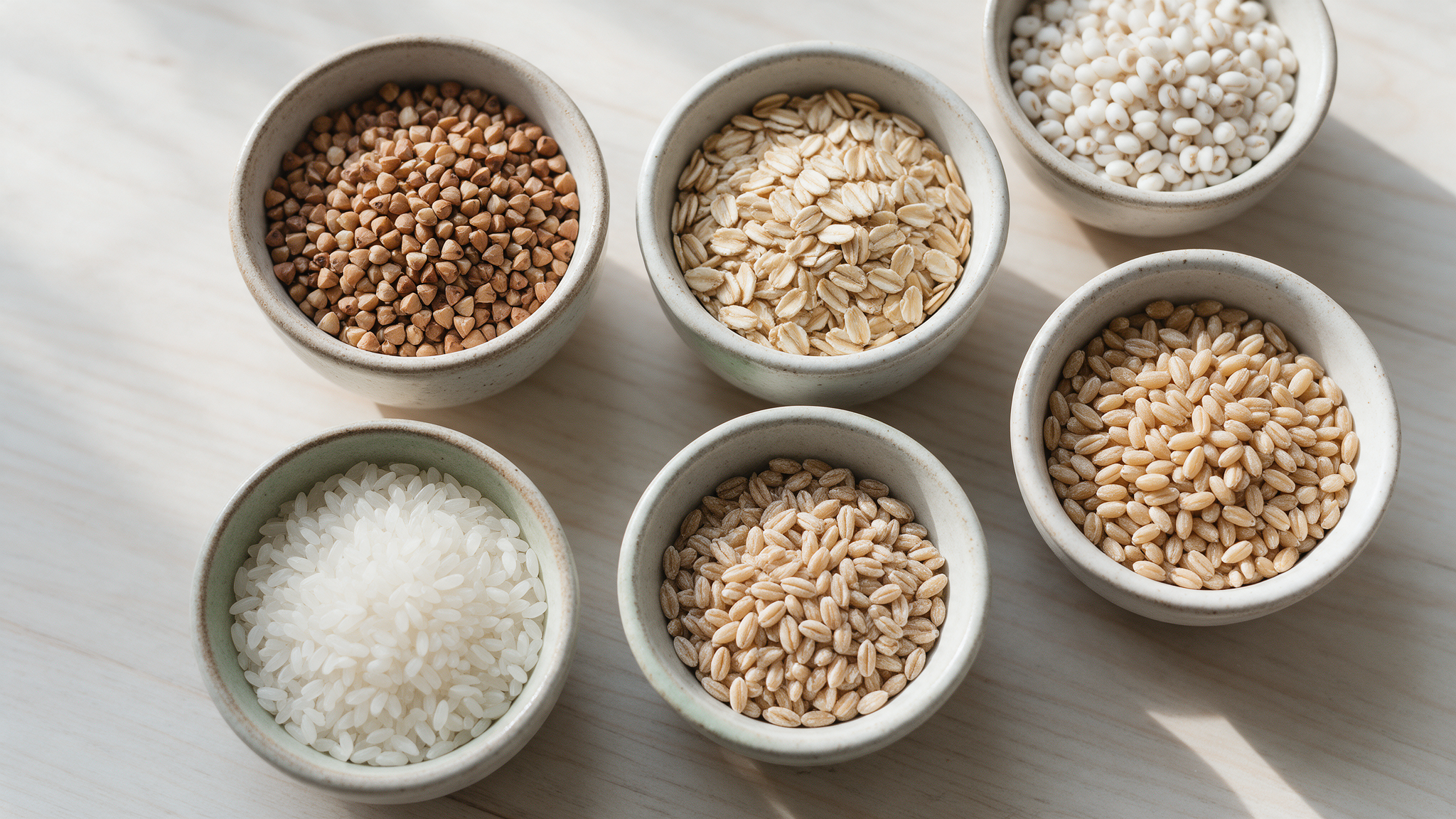
How to Choose Organic Grains: What to Look for When Shopping
How to tell good grains from a bad batch and make sure they’re truly organic: the “Organic” label, the Ministry of Agriculture’s registry, GOST standards, and simple at-home tests.