
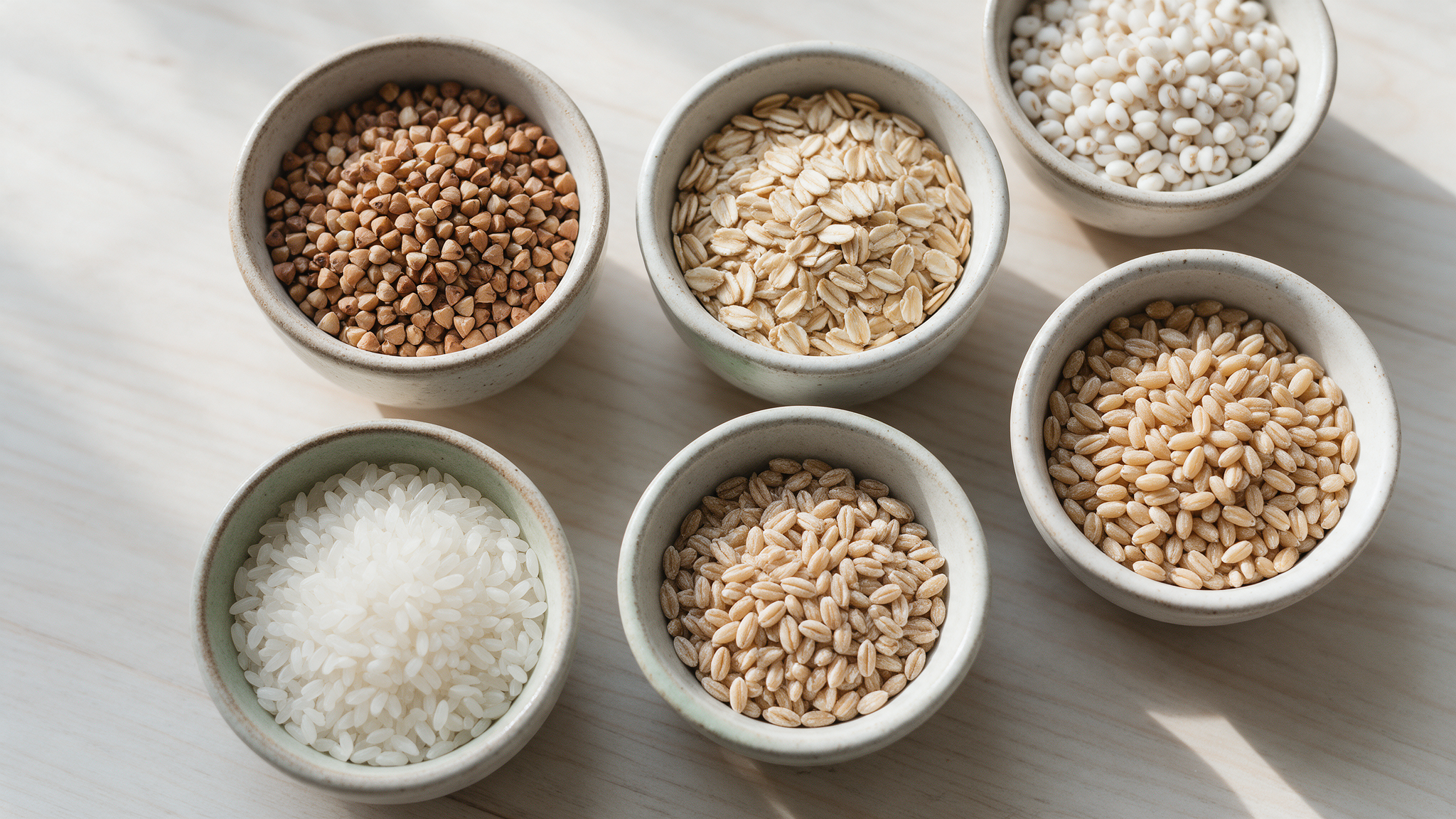
Buckwheat, rice, oats, barley, and spelt—everyone has grains in their kitchen, which is exactly why people often pay less attention to them than, say, meat or dairy. But that’s a mistake: the quality of grains can easily be compromised by improper storage, and the word “organic” on the package doesn’t prove anything on its own. Let’s figure out how to tell good grains from a bad batch and how to make sure you’re actually getting a certified organic product—not just marketing hype.
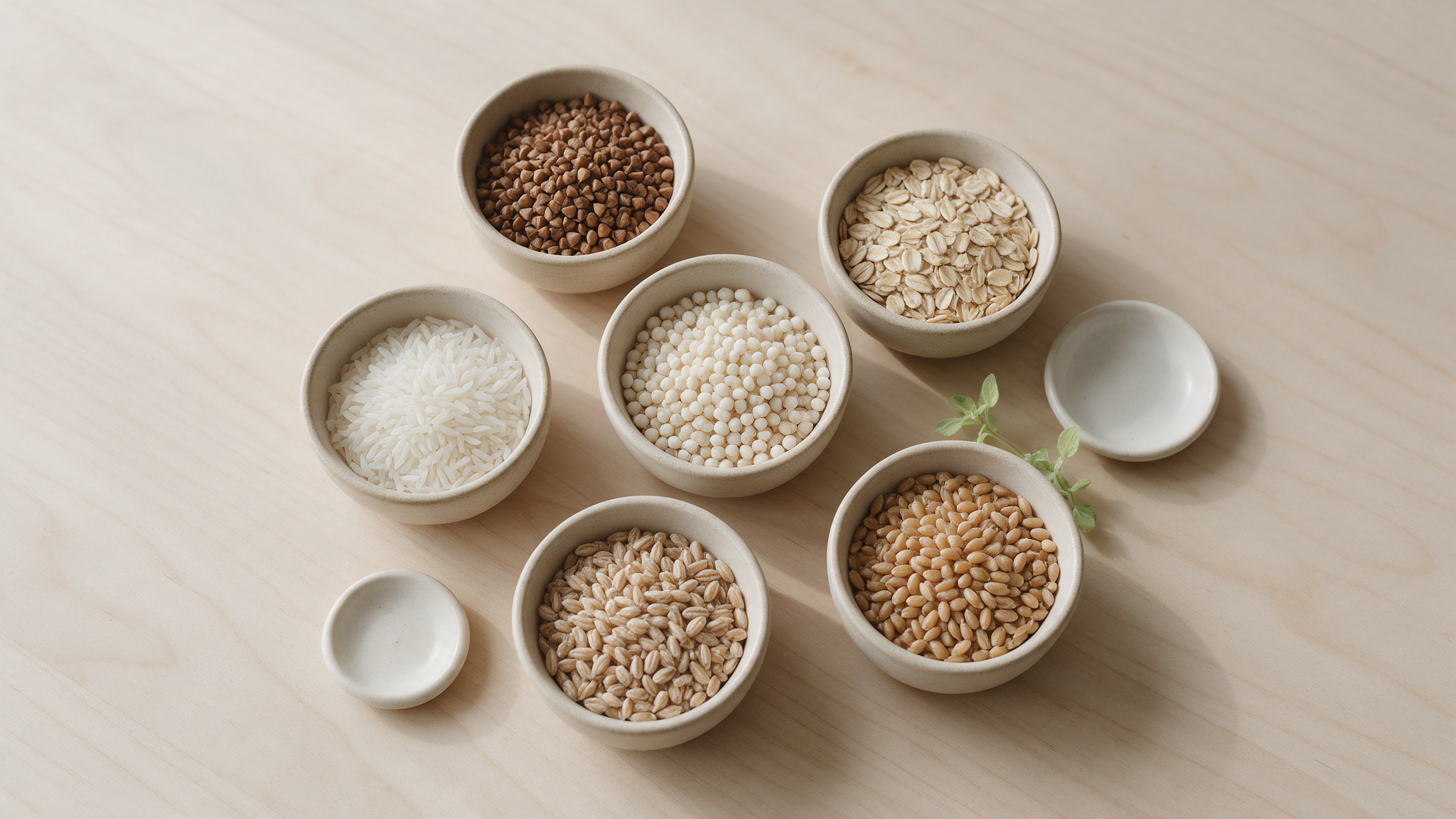
What to Check Before Buying
- The “Organic” label and the registry number. The only legal confirmation of organic status in Russia is the state “Organic” label and the manufacturer’s entry in the registry of the Russian Ministry of Agriculture. This is established by Federal Law No. 280-FZ “On Organic Products…,” effective as of January 1, 2020. The terms “eco,” “natural,” and “farm-fresh” on the packaging are not regulated by law—they could mean anything from an honest farm to pure marketing.
- Package integrity. The package must be airtight, with no signs of moisture or condensation inside—this is the first indication that the grains were stored properly. Damp grains are a surefire path to mold and mycotoxins (including aflatoxins), which form specifically due to improper storage conditions, not during production.
- Production date and expiration date. The fresher the batch, the lower the risk of rancidity (especially with oat groats and flakes, which contain more fat) and the lower the chance of ending up with old, reclassified stock under a new label.
- Grain uniformity. High-quality groats consist of grains of uniform size and color, with a minimum of broken grains and foreign matter. Significant variations in size and color indicate poor sorting or the mixing of different batches.
- GOST or TU on the packaging. Russia has its own quality standards for groats—for example, GOST 5550 for buckwheat groats, GOST 6292 for rice groats, and GOST 3034 for oat groats. The presence of a GOST designation is not a guarantee of organic status, but it indicates that the manufacturer is willing to take responsibility for the grain’s quality parameters (impurity content, moisture content, color, and kernel integrity).
- Producer and region. Checking a producer against the Ministry of Agriculture’s registry is easier than it seems—on OrganicHub, each organization has a profile listing its certificate number and status.
Simple at-home quality checks
These tests help you assess the freshness and quality of a specific package of grains in your kitchen—but it’s important to understand that they don’t verify organic status; rather, they check the general quality and integrity of the batch. Organic status is confirmed only by a certificate and the registry, not by the smell or color of the grains.
- Smell. Fresh grains have a neutral, slightly nutty smell. A sour, musty, or rancid smell (especially in oats and oatmeal—due to their high fat content) is a sure sign that the grains were stored improperly or for too long.
- Check for insects. Small holes in the grains, spiderwebs, dust clumps, or actual bugs (bread beetles, flour beetles, grain moths)—return the grains to the store. This is a result of improper storage conditions at the warehouse or in the store.
- The color of buckwheat. For buckwheat groats, color is a good indicator: lighter, less roasted groats usually mean gentler processing, while darker ones indicate intense heat treatment. Both types are edible, but if the manufacturer claims “organic” and gentle processing, it’s logical to expect a lighter, more delicate grind.
- Check for debris and small stones. Pour a small amount of the groats onto a light-colored surface—this makes it easy to spot husks, small stones, or sand, which should not be present in a high-quality batch.
- Amount of grain dust. If a lot of fine dust and crumbs have accumulated at the bottom of a transparent package, the grain has most likely been sitting in storage longer than it should have, or it has been transferred from one container to another multiple times.
Organic doesn’t mean “just good”
It’s easy to get confused here: high-quality, fresh, and “proper-looking” grains aren’t necessarily organic, and conversely, grains that don’t look very marketable may be fully certified. GOST standards for grains (5550 for buckwheat, 6292 for rice, 3034 for oats) regulate grain parameters—moisture content, impurity levels, color, and integrity—but do not address cultivation or processing methods. Organic status is a separate matter: the avoidance of synthetic pesticides and mineral fertilizers, GMO control, and separate logistics at all stages—from field to packaging—confirmed by an annual audit in accordance with GOST R 33980-2016 and Federal Law No. 280-FZ.
Therefore, the only reliable way to verify the organic status of a specific package is to check the producer against the official registry of the Russian Ministry of Agriculture, rather than examining the grain against the light.
Where to Buy
The OrganicHub catalog features 57 products in the “Grains and Cereals” category—buckwheat, rice, oats, emmer, spelt, barley, and other grains from certified producers listed in the Russian Ministry of Agriculture’s registry. Each product lists the manufacturer and its certification status.
Read more
- How organic status is verified in Russia
- “Eco,” “bio,” “organic”: What’s the difference, and how to make the right choice
- Why organic products cost more than conventional ones
- Organic product labeling around the world—and how they differ
Sources
- Federal Law No. 280-FZ of August 3, 2018, “On Organic Products and on Amending Certain Legislative Acts of the Russian Federation” (garant.ru)
- GOST 5550 “Buckwheat Groats” (meganorm.ru)
- GOST 6292-93 “Rice Groats” (meganorm.ru)
- GOST 3034-75 “Oat Groats” (meganorm.ru)
- Roskachestvo: Study of Buckwheat Groats, 2024 (retail.ru)
- Mycotoxins in Flour and Rice Due to Improper Storage (incrussia.ru)
- Signs of Counterfeit Products in Rice Testing, Roskachestvo (new-retail.ru)
- Why You Should Buy Light-Colored Buckwheat and How to Store It (altapress.ru)
Leave a Reply